
Memory is useful only if it carries its own doubt
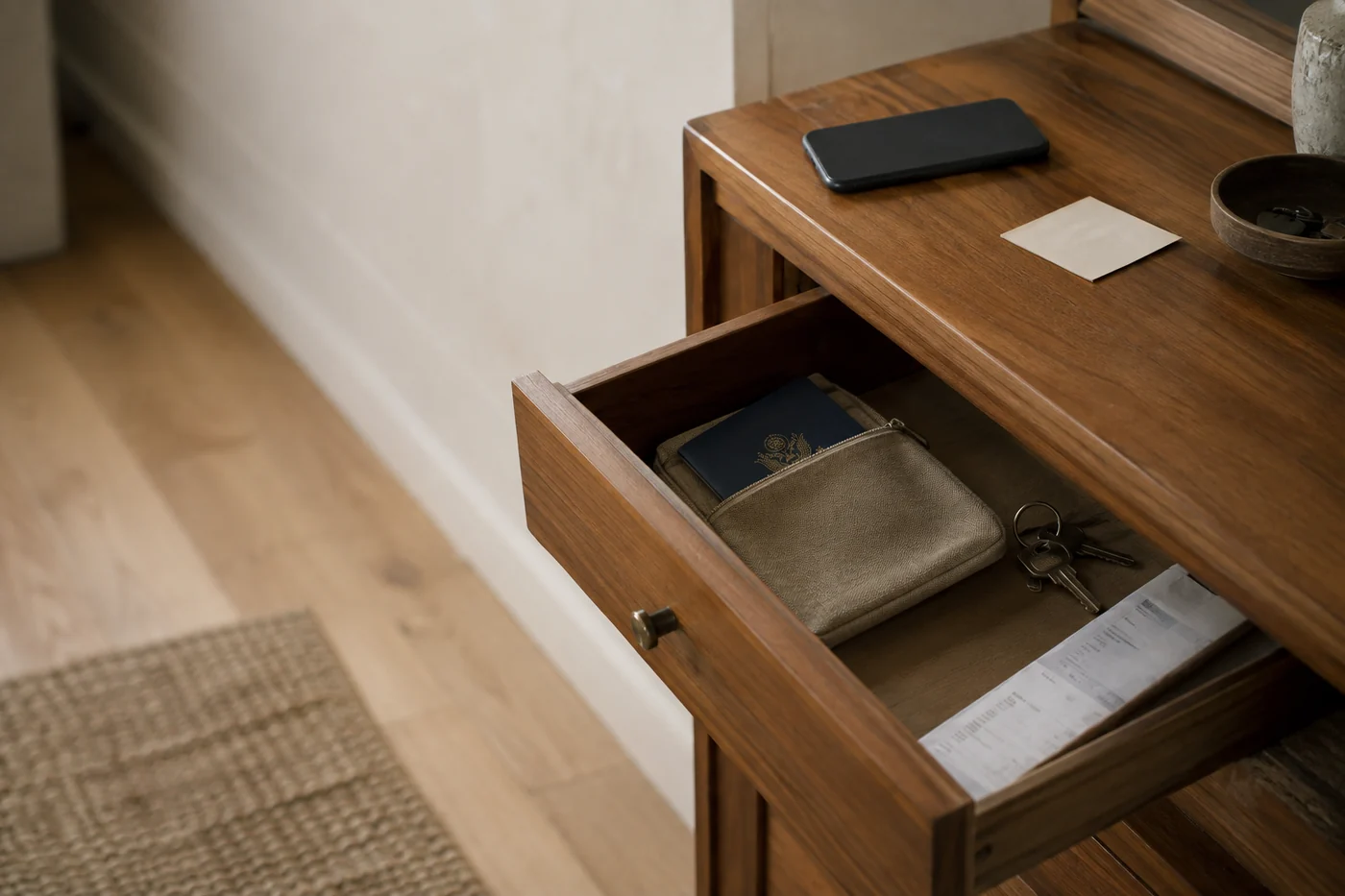
A remembered location should come with a timestamp in the answer itself: “You said the passport was in the hall drawer on Tuesday at 6:12 p.m.” A photo can help, but it should not turn last week's evidence into today's fact.
Google's public pages describe where the feature will save the item and which devices may get it. They do not describe an expiry rule, a confidence label, or a way to see that a location has been corrected. That absence is not proof those controls will be missing. It is a reason not to promise more than the announcement says.
The five-second test before a trip
When the feature arrives, try it with something harmless first. Tell it where you put a spare key. Move the key the next day, ask for the old location, correct it, then ask again. A useful result should show the new place and make it obvious that the old one no longer applies.
Then test the awkward version: ask a partner to move the key without updating the note. The assistant should not make a confident claim it cannot support. “Last recorded in the hall drawer yesterday” is more honest than “It is in the hall drawer.” That one extra phrase can save ten minutes of searching and a bad argument before leaving the house.
A small standard for personal AI memory
For important things—passports, medication, a garage clicker, a signed form—an AI memory needs three plain controls: when it learned the fact, how to change it, and how to remove it. None of this needs a new dashboard. It needs to appear at the moment someone asks where the thing is.
This is the quiet work personal AI should get right. Not a dramatic plan for your life. A clean answer to a small question, with enough history attached that you know whether to trust it.