
What the preview actually does
Microsoft says self-healing is a runtime fallback for certain single-element UI and browser actions. It is used after a retry policy and before other error-handling rules when the automation hits an eligible "Element not found" or "Window not found" error. It can use contextual information such as a screenshot, parent-window title, and desktop image to identify a likely replacement selector.
The scope matters. This is not a system that understands an entire business process. It does not cover every kind of action, and Microsoft warns that generative AI can occasionally identify an unintended element. The feature is also preview-only, region- and account-limited, and unavailable in government and sovereign clouds.
There is a separate designer-time repair feature where a maker captures the intended element, reviews a suggested selector, tests it, and decides whether to apply it. That is slower than runtime recovery, but it makes the judgment visible before the task goes back into service.
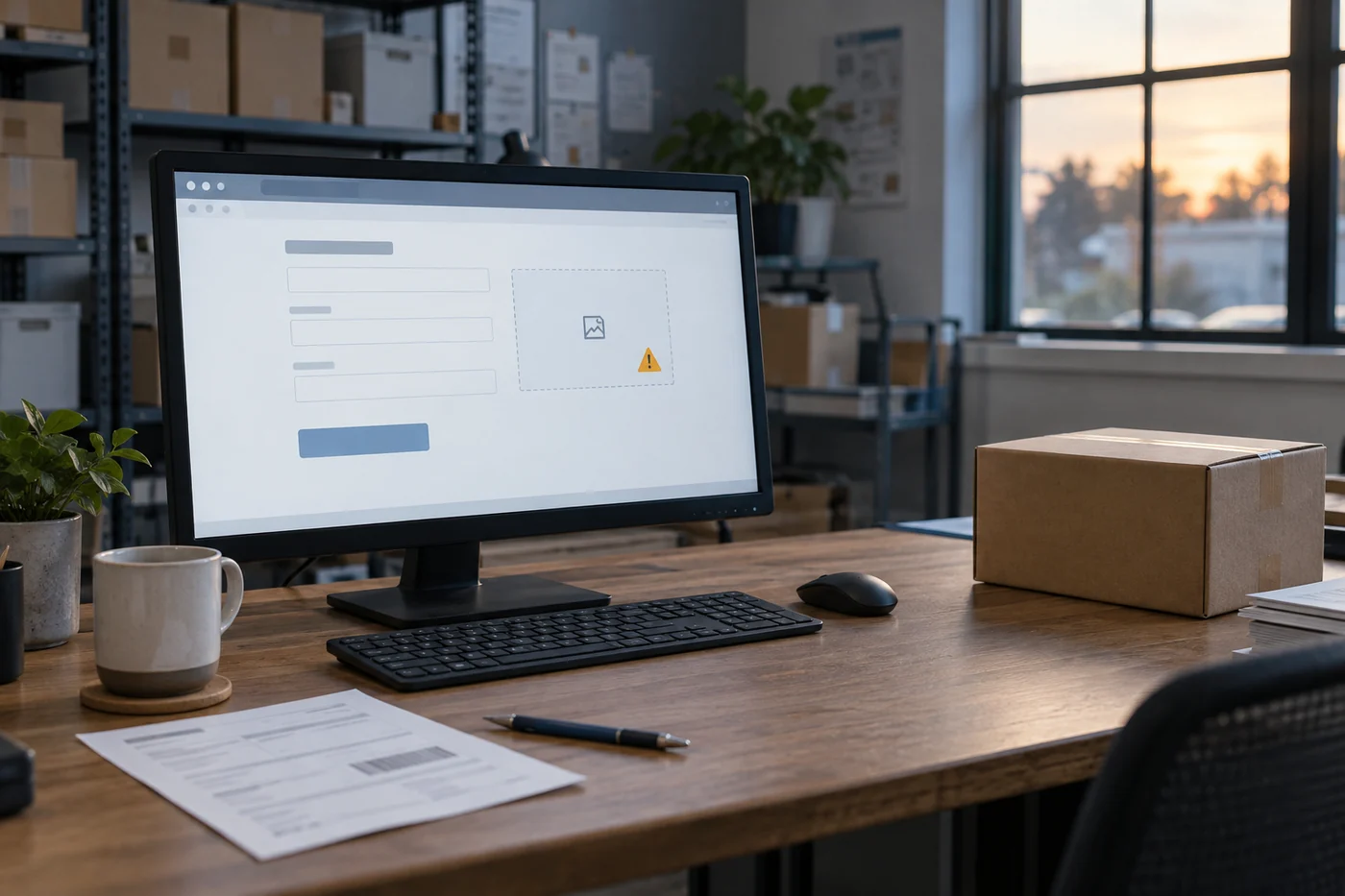
Run the boring check after the first rescue
Do not start with payroll, account changes, refunds, or a batch of customer messages. Choose one repeatable, reversible task where the next screen has facts a person can recognize quickly: a shipping address, an order total, an appointment time, or a named file.
Then deliberately make a safe copy of the screen slightly different. Move a noncritical element, change a test record, or use the vendor's test environment. If the automation repairs itself, compare the result with the expected record before letting it proceed. Save a screenshot or a short run note that says what changed.
That test gives a small team something better than a vague claim of resilience. It tells them whether the tool is reducing maintenance or simply moving the place where a person has to pay attention.
The saved hour is in the maintenance, not the magic
A lot of useful automation breaks for unglamorous reasons: a vendor redesigns a page, a field changes name, a login window shifts, or an internal tool gets a new release. Repair help could return time to the person who otherwise becomes the permanent caretaker of every small change.
That is why the right standard is not perfect independence. It is a calm repair moment: the system says what it thought changed, shows what it plans to use instead, and leaves the person enough context to catch a bad match. The goal is fewer evenings spent rebuilding a five-minute task—not a machine that quietly becomes impossible to supervise.