
What the AI is there to do
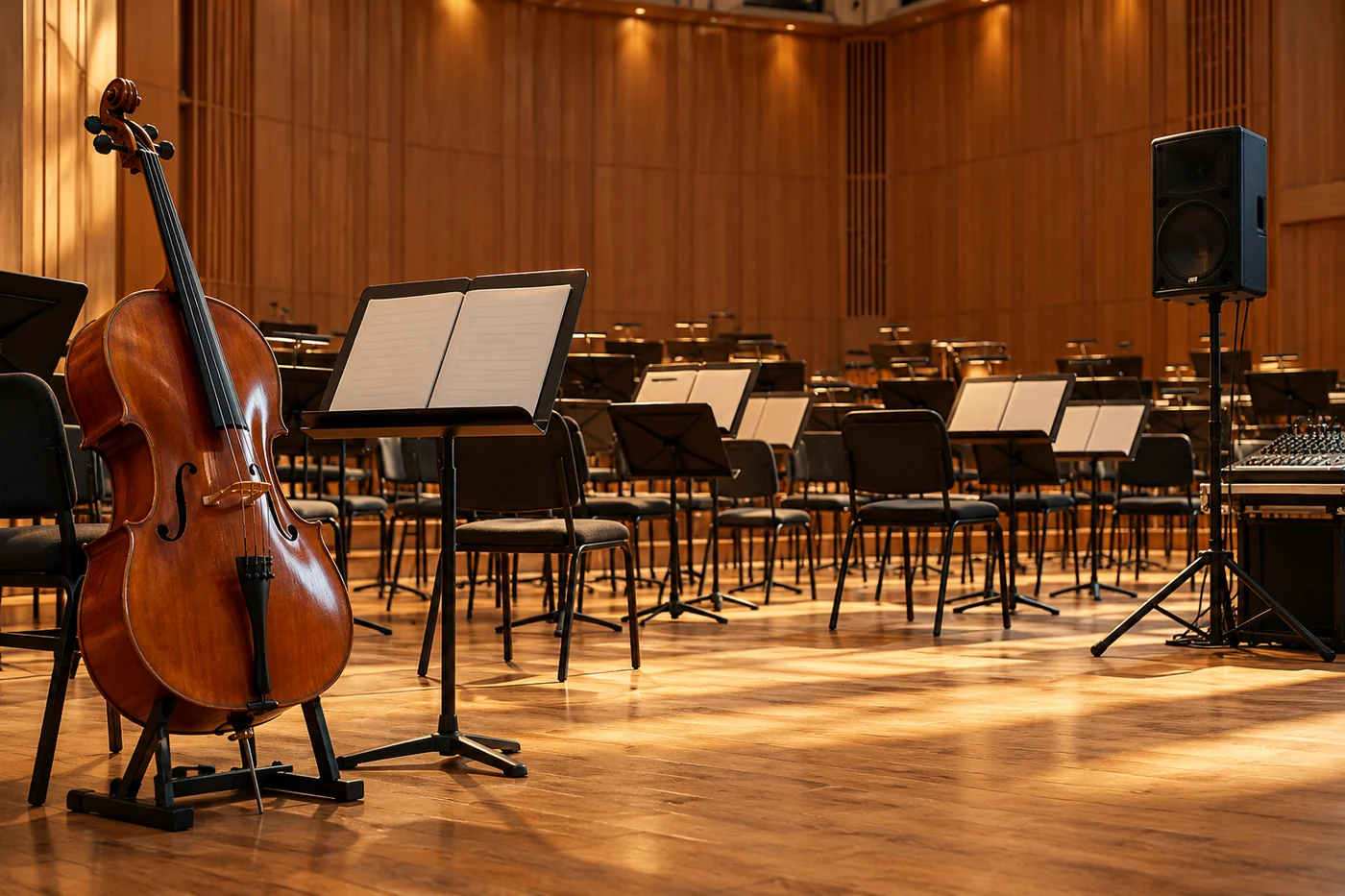
MIT News describes a system built at the Media Lab that works alongside electronics crafted in Machover's studio. In the second movement, it aims to emphasize the distinctiveness of individual instrumentalists. In the third, it is intended to connect sounds across the orchestra and extend them into the hall through additional loudspeakers.
Those are artistic intentions, not results from an independent listening test. The Boston Symphony's own listing describes the AI as collaborating with each musician. Neither source establishes that audiences will hear the intended relationships, or find them moving.
The people doing the work are worth naming. Media Lab PhD candidate Manaswi Mishra designed and built the AI systems; fellow PhD candidate Ana Schon is responsible for the complex live sound mixing. Nagano conducts. Machover composed the piece. Calling the whole thing an AI symphony would leave a remarkable amount of the symphony out.
A useful admission about what AI understands
Machover gives MIT an unusually specific account of the trade-off. Earlier systems he developed for Yo-Yo Ma's hypercello analyzed playing technique and expressive intent. He says today's AI is less good at that kind of analysis, but very good at detecting significant features and patterns in audio, which can support surprising musical responses.
That is narrower than saying a machine understands the orchestra. A response can be musically fruitful without the system possessing the interpretation a player brings to a phrase. Keeping those claims separate makes the experiment easier to take seriously.
It also gives a composer room to choose. A tool that produces an unexpected sound might be useful because it prompts a new idea, even if it would be hopeless at explaining why the original passage mattered. You do not have to promote every useful instrument into a fellow human.
Listen for a piece, not a product pitch
The work's three movements—Smash Up, Wake Up and Stand Up—trace Machover's reflection on democracy: instrumental groups crowd one another out, regroup and seek a different balance. This is the composer's framing of the piece, not evidence that an AI system has learned cooperation.
There is a more approachable listening cue. Machover says a melody struggles to emerge in the first movement, appears in fragments in the second and becomes central in the third. Following that melody gives a listener something to hold onto without needing to identify which sound came from which machine.
In the MIT interview, his stated wish is for people to listen as music and forget about the AI or the story. Good. A concert ticket should not come with an obligation to be impressed by the equipment. As of this morning, this article is a preview based on the organizers' descriptions, not a review of something we have heard.
For people choosing creative AI tools this week
A bespoke orchestral production is not a home-studio recommendation. The sources do not establish a consumer release, a price, or a setup an independent musician can reproduce. Do not add this system to your shopping list on the strength of a concert announcement.
There is still a useful choice here for anyone making music, editing a film or preparing a small performance. Decide whether you want help finishing a known task or something unfamiliar to react to. An odd generated variation may be a good invitation to play and a terrible replacement for the exact edit you needed before lunch.
Try a creative tool on one passage or one scene you already care about. Keep the original. Ask whether the response makes you want to do something you could not quite see before, and whether you can actually shape that idea afterward. More output alone is a weak reason to spend the evening sorting through it.
Some work should get faster so you can stop. Some creative work is worth spending longer on because you want to be there. An AI tool ought to help you make that choice, rather than assume that finishing without you is always the prize.