
A map is not the same thing as a preference
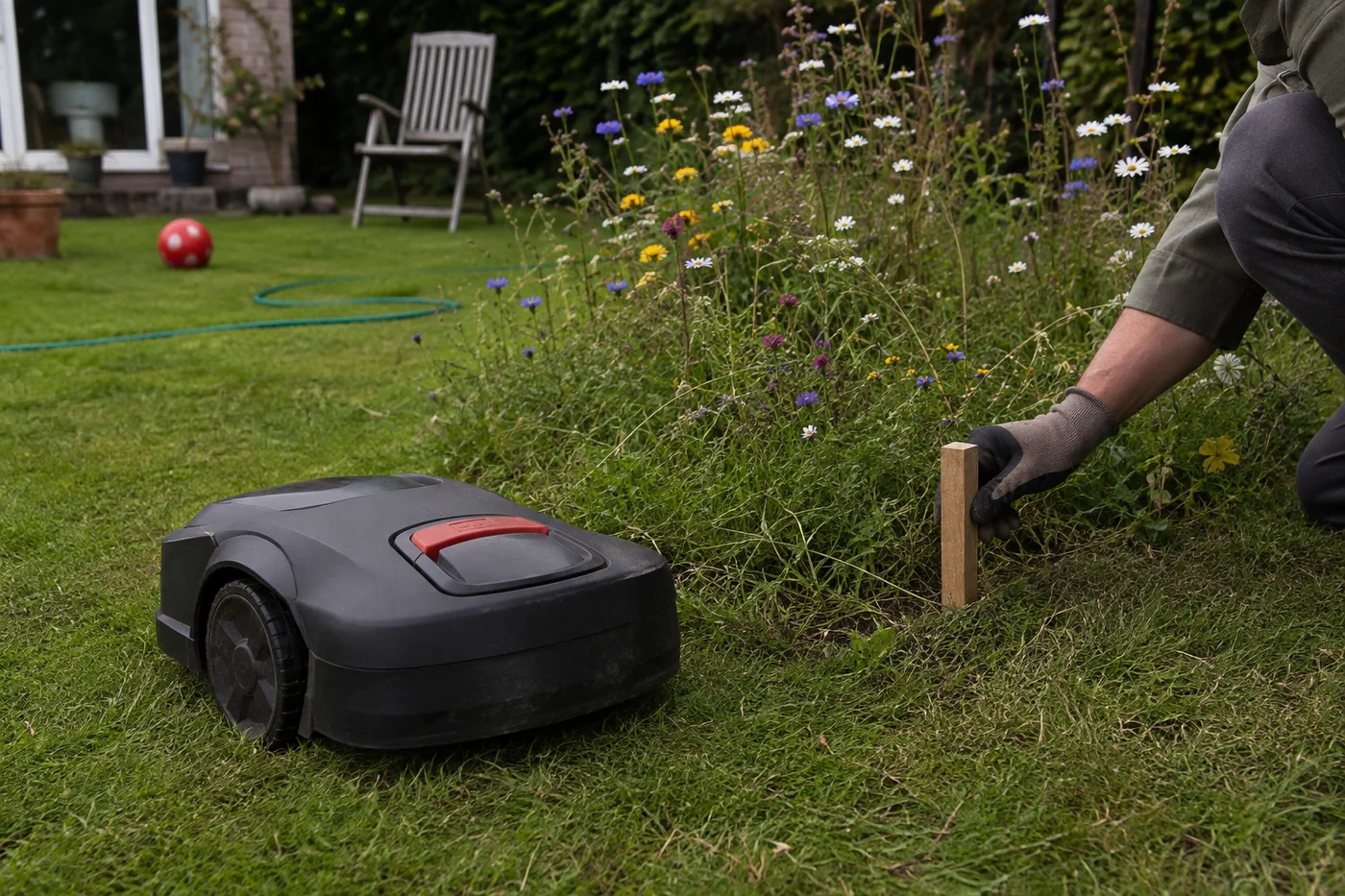
Sunseeker says MapOS can show garden layout and key landscape elements, let owners set no-go and safe zones, and adjust mowing point by point. That sounds mundane. It is also the part that matters. A map can tell a mower where a flower bed is. It cannot tell the mower whether the long grass beside it is neglect, a temporary project, or a patch deliberately left for pollinators unless someone has made that choice legible.
The Royal Horticultural Society makes the same distinction without talking about robots. Its mowing guidance says mowing frequency should change with weather, growth and the kind of lawn a person wants; it specifically suggests leaving all or part of a lawn uncut in spring to support wildflowers and wildlife. The decision is not ‘mow’ or ‘do not mow.’ It is what this space is for right now.
That is the right setup screen for an AI garden tool: not an impressive satellite-style view, but a plain list of named areas and rules. Leave the west border until August. Do not run after rain. Ask before crossing the open side gate. Keep the play area short on Friday. The best version saves repeated chores without making the owner defend every exception after the fact.
The first useful automation is probably a schedule that knows when to stop
Robot-mower marketing usually begins with coverage, slope limits and obstacle detection. Those details matter, but they are not the whole day. The RHS advises against mowing wet or frosty grass and notes that close cutting can weaken turf and make it more vulnerable to drought, weeds and moss. A mower that can see a hose still needs a sensible response to weather and growing conditions.
So test the boring interruption before you buy. Change one boundary in the afternoon. Leave a chair where the robot normally turns. Let the grass get wet. Then check what it does: pause, reroute, ask, or continue as if the old plan still owns the garden. A machine that handles those moments quietly will feel more helpful than one that only looks good on a clean lawn.
The same test applies if a garden system starts recommending watering or pest treatment from sensor data. Sunseeker describes that as a future use of its connected system. A recommendation should name the reading, the affected area and the proposed action. ‘Yellow patch near the fence; soil reading was low at 7:10 a.m.; suggest watering tonight’ is a decision a person can accept or ignore. ‘Garden needs attention’ is another notification that sends them looking for the context.
Keep the human part of gardening on purpose
There is a strange assumption inside a lot of home-robot talk: if the technology can take over a task, it should. But many people do not want to outsource the whole garden. They want less repetitive mowing and more time to choose a plant, sit outside, or leave a messy patch alone because it is alive.
The RHS notes that smart gardening systems can already combine weather and soil data to adjust irrigation. That can be genuinely useful. The line to protect is simple: let the machine carry the recurring work; leave the tradeoffs visible to the person who lives there. A mower should be able to keep off the wildflower strip without treating it as an error in its map.
AI garden tools will get better at noticing what is in the yard. The product question is whether they make it easier for a household to express what matters there—and whether changing your mind is as easy as making the first plan.