
What Tencent is testing
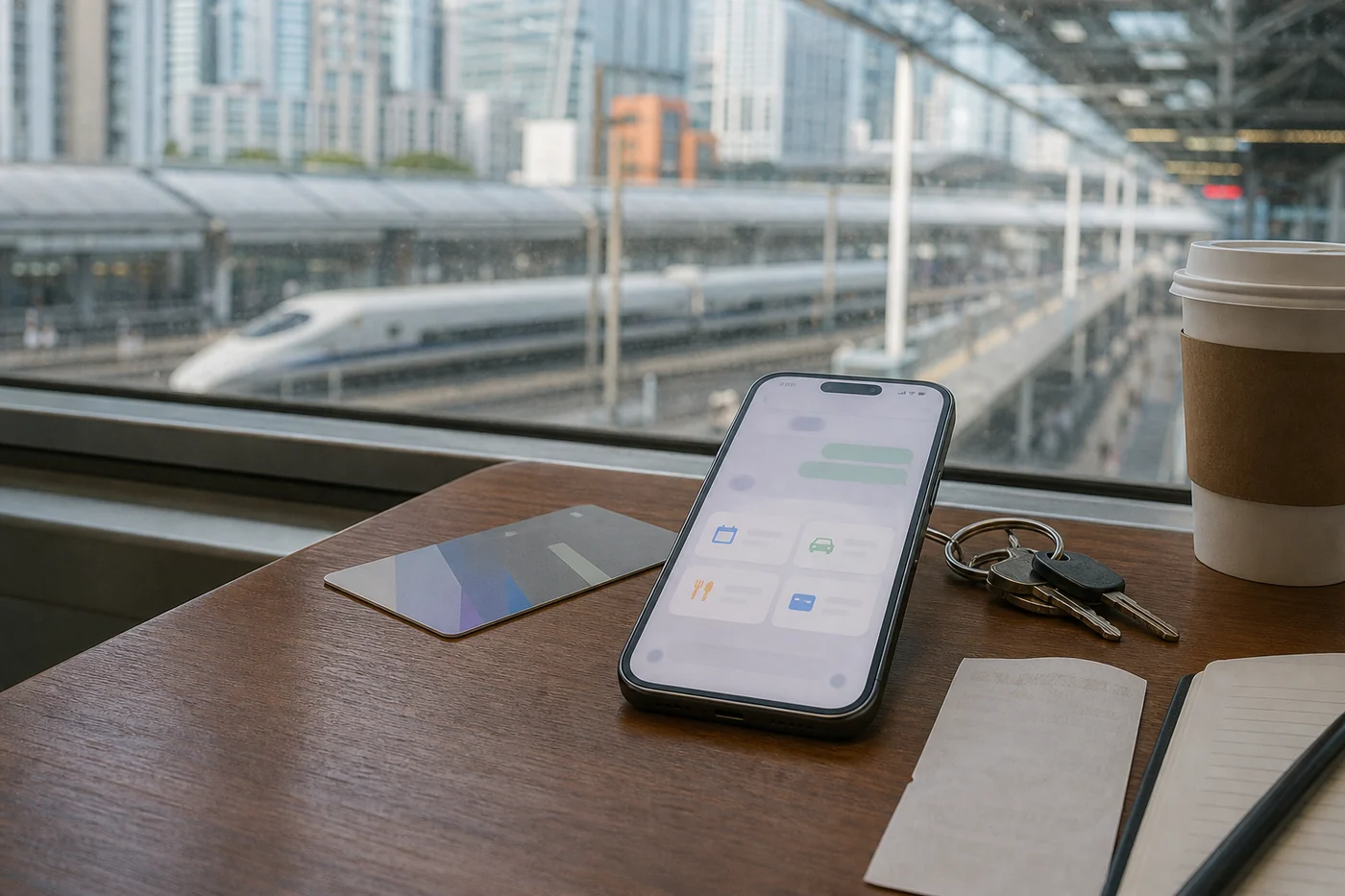
Xiaowei is still limited. Tencent told CNBC it is being tested on a small scale, and the company has not given a full capability list. The important part is where the assistant lives. WeChat and Weixin have more than 1.4 billion monthly active users combined, according to CNBC. In China, WeChat is already used for messages, payments, restaurant bookings, ride hailing, shopping, and many other daily services.
The Next Web described Xiaowei as a command layer for WeChat: ask it to start a call, draft a message, or navigate to a service, and it handles the menu digging. CNBC reported Tencent said users can launch mini-programs through Xiaowei. Silicon Republic reported that the phased test includes text and voice interaction, mini-app tasks, and functions such as changing settings, sending messages, ordering food, hailing rides, and generating images.
Some of that still needs live-product proof. A small test is not the same thing as a finished assistant that can be trusted with payments and messages. But the direction is clear enough: the assistant is moving into the place where the errands already happen.
Why this matters for normal users
The adoption problem for AI assistants has always been boring. People may try a chatbot once. Then life happens. They go back to the apps where their friends, bills, tickets, calendars, deliveries, and reminders already live.
An embedded assistant skips part of that fight. It does not need to convince someone to open a new destination before it can help. It can sit beside the task and shorten the path. In plain English: 'send this,' 'book that,' 'find the form,' 'call them,' 'order the usual,' 'show me what I missed.'
That is also why this category can get uncomfortable fast. A search box can be wrong and waste a minute. An assistant inside a payments-and-messaging app can send the wrong thing, open the wrong service, or make a private chore feel watched. The final confirmation matters more when the assistant is close to money, contacts, and real-life plans.
The final tap is the trust test
A useful AI assistant should make the next step obvious before it does anything risky. 'I found the 3pm booking. Confirm?' is better than a cheerful summary after the fact. 'This message will go to Chen and Mei' is better than a vague send button. 'This costs 42 yuan and uses this address' is the difference between help and a tiny panic attack.
The interface should separate finding from acting. Let the assistant gather options, fill the form, prepare the message, and explain what it is about to do. Then make the final tap boring and visible. If the user cannot tell what will happen next, the assistant is not reducing stress. It is hiding it.
This is where AI chatbot vs AI agent stops being a buzzword fight. The useful distinction is simple: one answers, the other touches things. Once it touches things, the product needs plain review, undo, and a way to see what happened without reading a technical log.
A signal beyond WeChat
South China Morning Post reported earlier in June that Tencent was opening WeChat to commands from smartphone AI assistants made by phone makers including Huawei, Honor, Xiaomi, Oppo, and Vivo. That is the same shape from another direction. Whether the assistant starts inside WeChat or from the phone, the value is access to the daily services people already use.
The pattern is showing up everywhere. Team chat wants an assistant. Meeting apps want an assistant. Email clients want an assistant. Phones want one too. The winner may be the product that makes the assistant feel less like a new job and more like a shorter path through the old job.
For a small team or a busy person, the test is not whether the assistant sounds clever. Ask a smaller question first: did it remove a real step from a task I already had to do, and did I stay in control at the moment it mattered?
Two useful disagreements
Sable Quinn sees the distribution story first. Her read: AI assistants get more believable when they stop asking for a separate habit. If the assistant lives where the errand already starts, people can judge it by the chore it removed instead of the promise on the landing page.
Priya Rao is more cautious. Her test would start at the end of the task, not at the first prompt. Count wrong sends, cancelled bookings, payment fixes, undo attempts, and how often a person has to reopen the old menu anyway. If the assistant saves three taps but creates one expensive correction, it did not help.
I land between them. Embedded assistants make sense because people are tired of context switching. But the best version is not a louder app with AI inside it. It is a calmer path through the app, with the risky step made plain before anything leaves your phone.